Updated
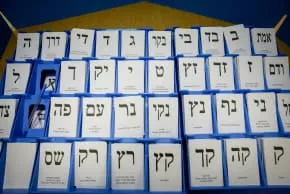
Prime Minister Benjamin Netanyahu and rival Gadi Eisenkot offered competing claims to lead Israel after Tuesday's national election, as exit polls left their blocs deadlocked. Reuters reported the exchange on October 28, 2026. Netanyahu called for a right-wing government, while Eisenkot said voters had rejected the longtime leader and warned him not to use Israel's security for political needs. Early counting by the Central Elections Committee, reported by Middle East Eye, showed Netanyahu's Likud leading with 23.36 percent of valid votes, followed by Eisenkot's Yashar party at 15.74 percent and Naftali Bennett's party at 8.53 percent. As counting reached about 42 percent of ballots, Middle East Eye reported Netanyahu's bloc at 57 seats, Eisenkot's bloc at 47 and Palestinian-led parties at 16, while an earlier partial count had shown 59 seats for the pro-Netanyahu bloc. Netanyahu said a coalition with Arab parties would be "a shame and a disgrace," and United Arab List leader Abbas said his party could help the opposition oust him, with exit polls showing the Joint List and United Arab List winning as many as 19 seats. The Jerusalem Post described record Israeli turnout, and the deadlock points to prolonged coalition bargaining with major implications for Israel's war policy and regional diplomacy.