Updated
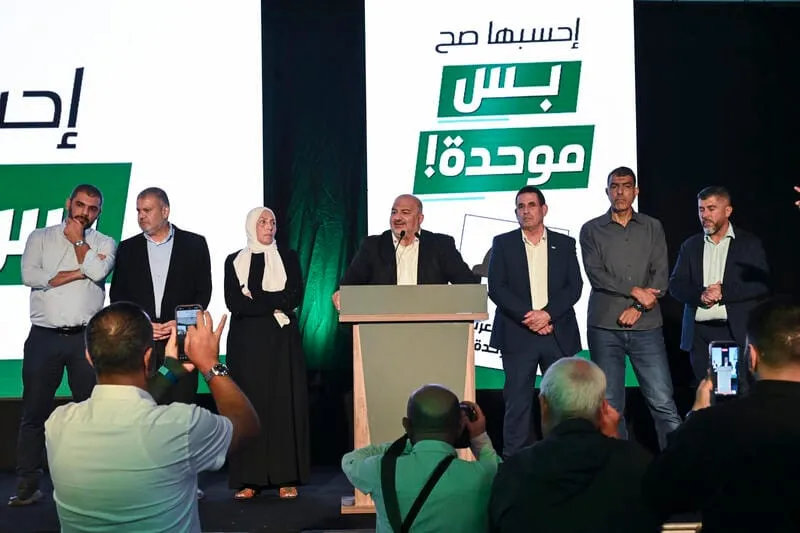
Israel's Tuesday election produced a political stalemate, leaving a minority opposition government or a centrist unity government as the main ways to avoid another round of elections, according to Israeli outlets on November 1, 2026. The Jerusalem Post editorial urged a bold, fresh approach and a unity government, and Haaretz reported that a Joint List MK vowed to back an Eisenkot-led bloc without demanding cabinet seats. Opposition leader Gadi Eisenkot has since set four conditions for forming a new government, including recognising Hamas as a terrorist organisation and committing to dismantle its military and governing capabilities in Gaza, according to Middle East Eye, which cited his statement posted on X. Haaretz commentary argued that Netanyahu, facing an alternative coalition possibly backed by Arab or ultra-Orthodox parties, may press Trump again for war with Iran despite lacking a mandate. Other Haaretz opinion pieces criticized the opposition's reluctance to govern with Arab parties despite its 67-seat majority, and Netanyahu's record, including responsibility for October 7. Most of this is commentary and analysis rather than reported events.