Updated
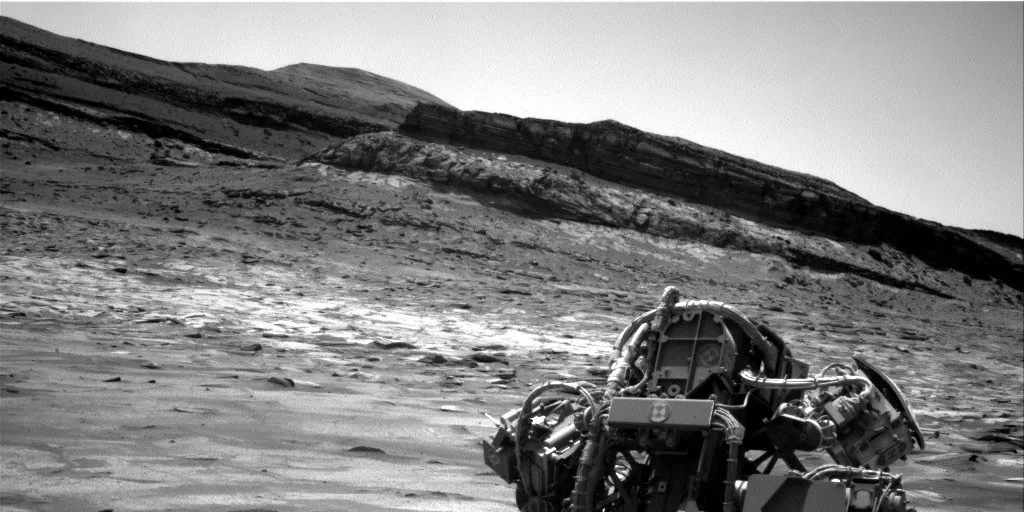
NASA's Curiosity rover drilled its 49th hole, called Nazca, on Mars, with mission planning dated October 23, 2026. Team members said the block was chosen because it contains abundant potential crystals, which they interpret as possible indicators of past environmental conditions if confirmed as crystals. Before drilling, the rover passed stability and preload tests, and instruments including APXS, MAHLI and ChemCam examined the target. Sample portions were delivered to the CheMin and SAM instruments inside the rover, with CheMin results expected to reach Earth the following weekend. By the October 30 planning session, the team had entered a recharging period of three sols, 5060 to 5062, to build power before resuming drilling. Remaining campaign tasks include another SAM sample delivery, drill cleanup, and a shaking maneuver to clear leftover sample from the drill. The team also tested running a CheMin data transfer at the same time as communication with an orbiter, a step meant to save power as the rover's output declines with age; engineers still had to review the results. The rover also conducted remote observations of nearby targets during this period.