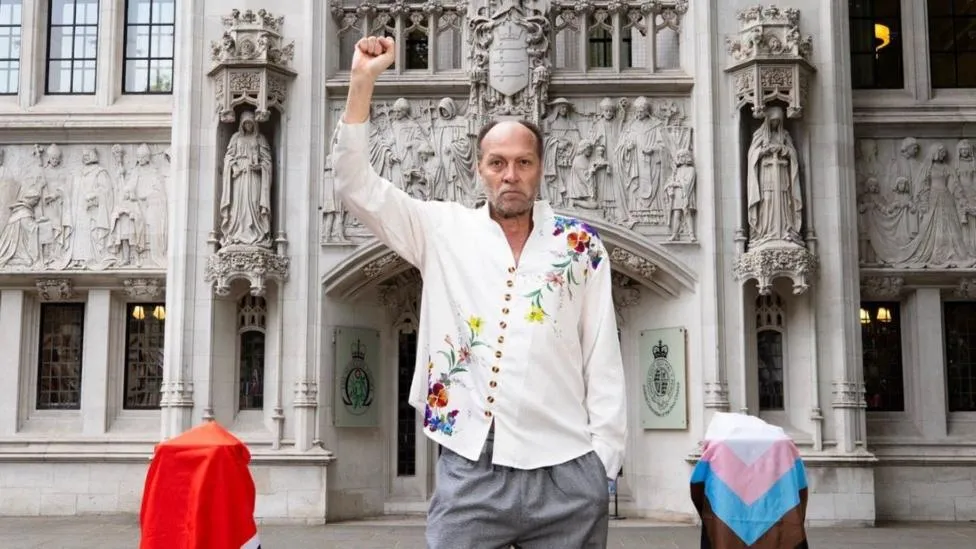
Updated
London's Judicial Committee of the Privy Council ruled on 10 November 2026 that Trinidad and Tobago's laws criminalising same-sex intimacy were not in keeping with a fundamental right to private and family life. The JCPC, the Caribbean island's final court of appeal, ruled unanimously in a case brought over 11 years by Jason Jones, 62, a dual citizen and human rights campaigner. Jones won in Trinidad's High Court in 2018, but the government's appeal overturned that ruling. His lawyers argued that stricter punishments introduced in 1986 meant the savings clauses that carried over British colonial law no longer protected the laws, while the Attorney General argued the laws were protected. Lord Sales said the laws could not be regarded as reasonably justifiable in a society that respects individual rights. Under the laws, consensual same-sex intimacy was punishable by imprisonment and, in some cases, the death penalty. Trinidad and Tobago was one of about 34 Commonwealth countries still criminalising homosexuality under colonial-era British laws. It is the first time the JCPC has decided a case to decriminalise same-sex intimacy, and campaigners hope it will prompt similar challenges elsewhere in the Commonwealth. Jones said the laws never reflected the country's diverse, multiracial and secular character, adding: "That message ends today." His lawyer, Anand Ramlogan SC, called the judgement a landmark victory for gay rights.