Updated
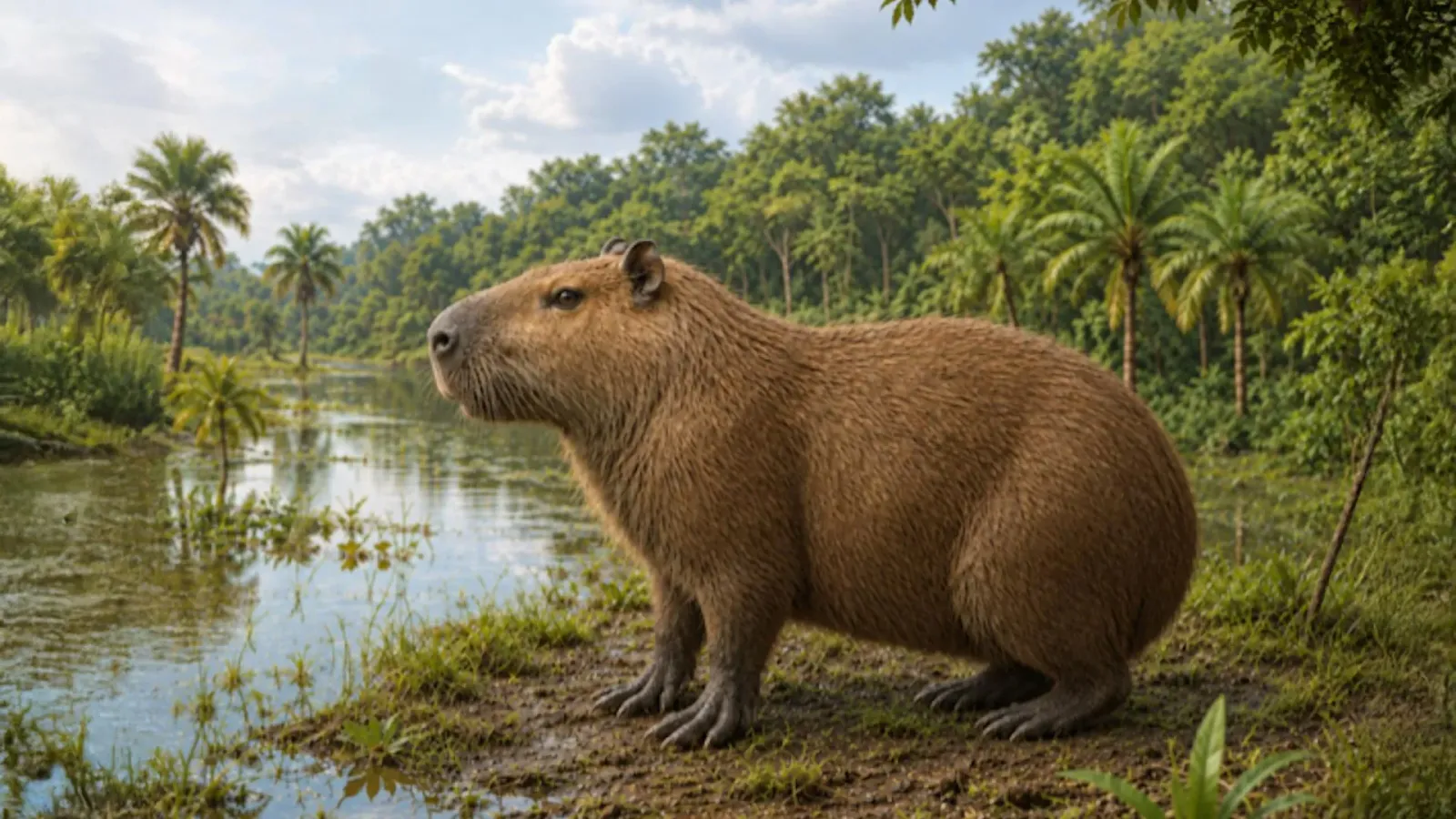
Scientists have identified Yakamys sirindhornae, a giant rodent that lived in Thailand 34 million years ago and may have weighed about 66 pounds. The species is known from two fossil teeth, a lower second molar and a lower incisor, recovered from the Bang Mark Pit at the Krabi lignite mine in Krabi Province. An international team that includes McGill University scientists described the find, which is roughly twice the size of other known rodents of its time and suggests enormous rodents evolved earlier than previously thought. The team estimated body mass with seven established methods based on tooth measurements, reaching about 30 kilograms, or 66 pounds. Virginie Millien, a McGill biology professor and co-author, called that only a ballpark figure because estimating the weight of an extinct animal from few teeth carries substantial uncertainty. The name combines "yak," the Thai word for giant, with the Greek "mys" for mouse or rat, and the species name honors Princess Maha Chakri Sirindhorn for her support of science in Thailand. Millien said the find suggests Southeast Asia also played an important role in the early evolution of large rodents. The limited evidence makes it hard to reconstruct the animal's life, and more discoveries are needed.