Updated
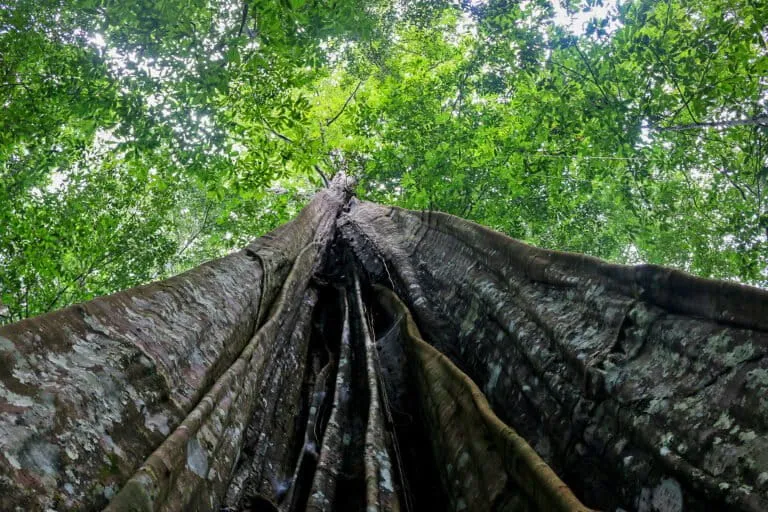
A 25-year field experiment in Pará, Brazil, that diverted about half the rain from a patch of Amazon forest found the trees lost 40% of their biomass within eight years. Mongabay reported the findings on November 11, 2026, and the study is intended to help predict the future of the biome as its soils grow drier. The Esecaflor Project began in 2001 on a one-hectare plot within Caxiuanã National Forest, with an undisturbed plot of equal size as a comparison. Researchers installed 6,000 transparent panels beneath the canopy to channel away about 50% of rainwater. Trees with trunks over 50 centimeters in diameter began dying after five years, and biomass loss peaked in the 15th year. In 2024 researchers found that smaller trees redistributed the remaining water, which reversed the mortality trend and brought the plot to a new balance, though the forest is now shorter, less dense and stores less carbon dioxide. Lucy Rowland of the University of Exeter said the plot remains degraded tropical forest rather than savanna, and that the most likely reason large trees died is that their taller crowns are more exposed to a hotter, drier atmosphere. The group's latest paper was published in May 2025 in Nature Ecology & Evolution.