Updated
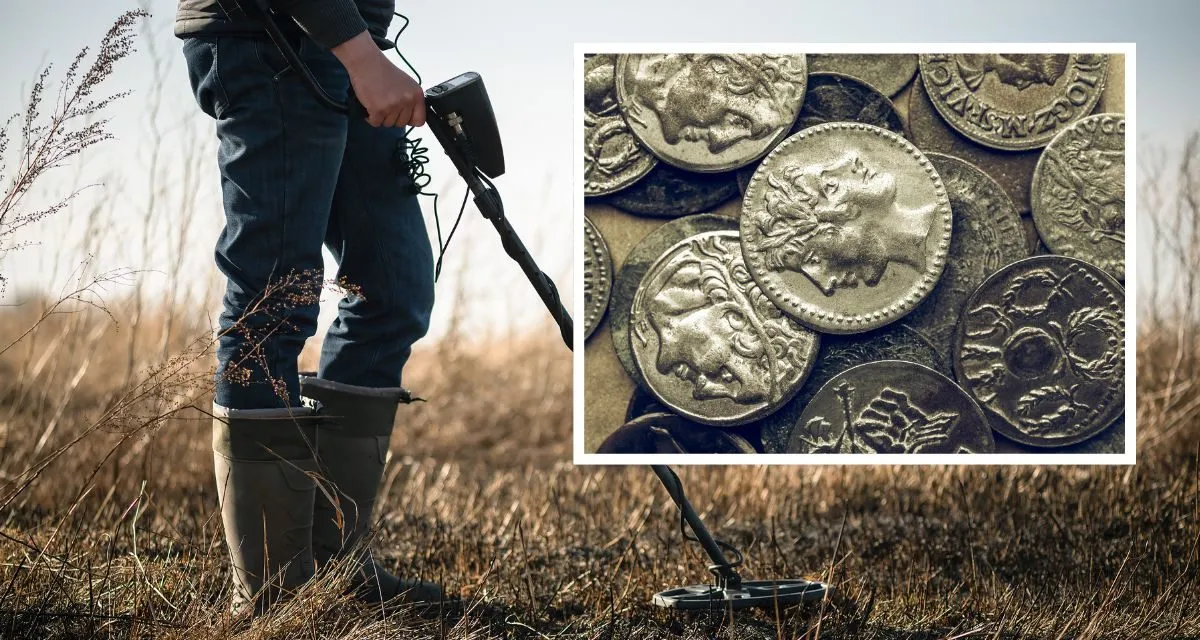
A Suffolk man searching for a farmer friend's lost hammer in November 1992 instead uncovered the Hoxne Hoard, which the article describes as the largest hoard of late Roman gold and silver ever found in Britain. The excavation recovered 15,234 Roman coins, dozens of gold jewellery pieces, and silver spoons and tableware, including a silver pepper pot shaped like a woman's bust. Eric Lawes, who had a metal detector, stopped digging and reported the find once he saw its significance, allowing archaeologists to lift a large part of the buried material together and preserve its arrangement. The article says the hoard offers a glimpse into a wealthy family's life in late Roman Britain as Roman authority ended, and that some archaeologists think it was buried to protect valuables from Saxon raiders. Upworthy also reported other theories, including that the coins were clipped to make imitations and that the items were buried with sentimental care, while noting the exact reasons remain uncertain. Lawes received £1.75 million from the British government, which he split with Whatling, and later found the hammer, which was displayed with the hoard at the British Museum. Lawes died in 2015.