Updated
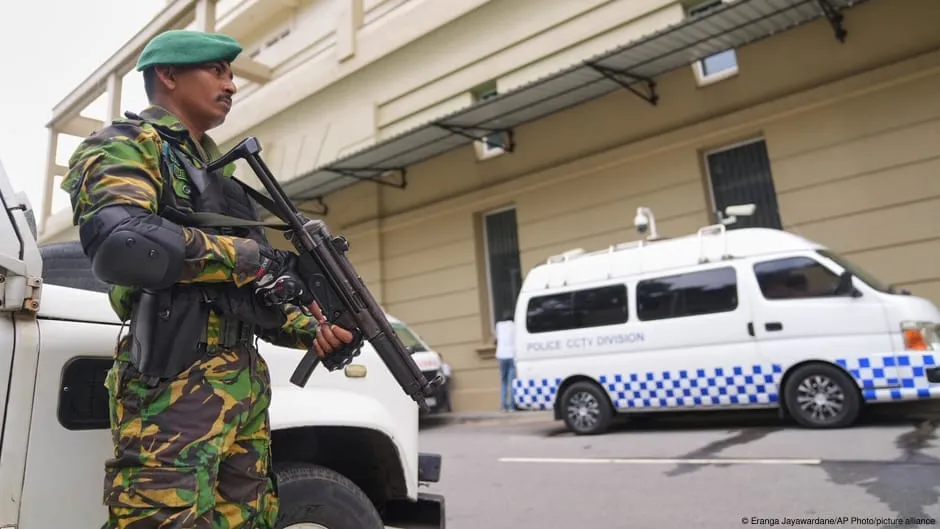
Sri Lanka's government has proposed the Protection of the State from Terrorism Act (PSTA) to replace the Prevention of Terrorism Act (PTA), which critics say has enabled arbitrary detention and torture for decades. Rights groups, lawyers and the UN human rights office say the replacement reproduces many of the PTA's flaws, citing an overly broad definition of terrorism, weak judicial oversight, broad police powers given to the military, and limited safeguards against abuse. Deutsche Welle reported that the bill would let security forces stop, search and seize items on "reasonable suspicion" and could penalise sharing terrorism-linked social media posts with up to 15 years' rigorous imprisonment, which a lawyer warned could suppress free speech. Government spokesperson Nalinda Jayatissa rejected these claims, saying the law would not compromise civil liberties or press freedom. The European Union has urged Sri Lanka to meet its human rights obligations to keep its GSP+ trade preferences, and failure could lead to their suspension with significant economic costs. On November 12, 2026, Speaker Jagath Wickramaratne said some provisions were inconsistent with the constitution, and the Supreme Court outlined amendments after which Parliament could pass the measure. Parliament has not yet set a vote date. The report comes amid the family of a 2019 Easter Sunday attack victim expressing scepticism about the bill, which the government says is needed against extremist groups.