Updated
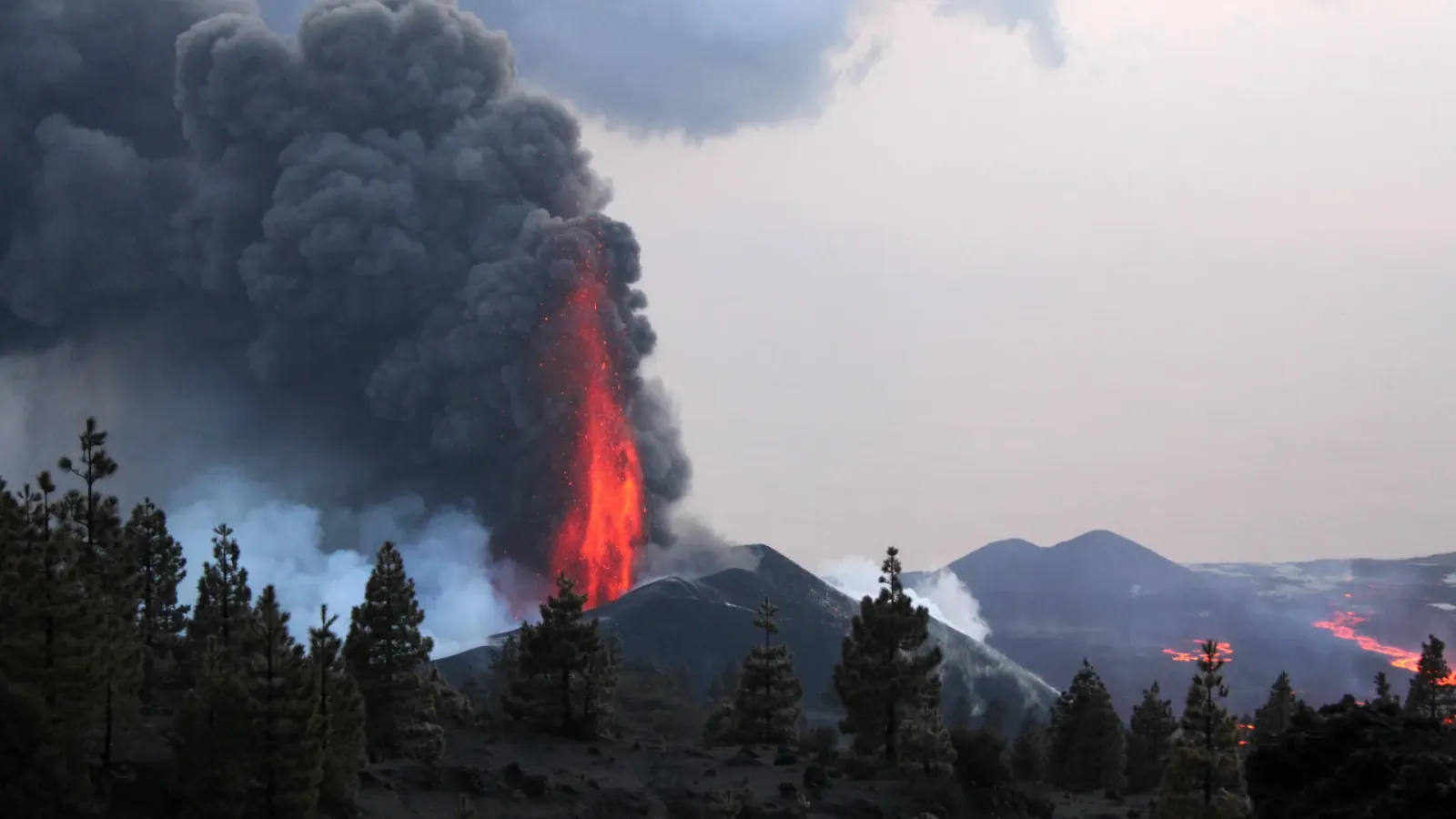
Scientists reported on November 13, 2026, that superheated magma may help explain why some volcanoes erupt with spectacular lava fountains. Experiments showed superheated magma delayed crystal formation for more than eight hours, compared with about 20 minutes in magma that had not been superheated. The research team, led by The University of Manchester, studied material from the 2021 Tajogaite eruption on La Palma, Spain, using synchrotron X-ray imaging at Diamond Light Source and complementary experiments in Prague. Lead author Dr. Barbara Bonechi said the findings were published in Nature Communications. Computer models suggested that magma delayed in crystallising can stay fluid and rise faster, favouring lava fountains, while earlier crystallisation makes magma thicker and slower, favouring gentler lava flows. The researchers say the work offers new insight into how a magma's heating history shapes how a volcano erupts, a long-standing question in volcanology. Superheating may dissolve crystal seeds and make the melt more uniform, both of which slow new crystal growth. The article says the findings suggest that even volcanic systems with similar conditions may behave differently depending on their temperature history.