Updated
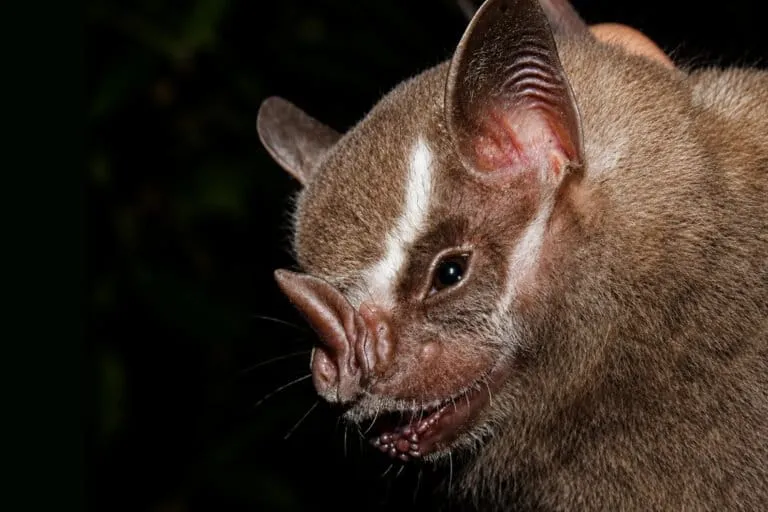
Mongabay reported on November 13, 2026, that fruit bats are emerging as unexpected allies in restoring the Atlantic Forest. Researchers including Sandra Bos Mikich of Embrapa Forestry, Gledson Vigiano Bianconi of the Federal Institute of Paraná and Lays Cherobim Parolin of the Pontifical Catholic University of Paraná have spent more than 20 years studying how to use the bats' sense of smell to speed up forest regrowth. Bats disperse seeds from more than 140 plant species in the Atlantic Forest, and Embrapa Forestry data cited in the report show frugivorous bats deposit between 600 and 25,930 seeds per hectare each day, even in degraded areas. Unlike most birds, bats disperse seeds while flying, and they cross farmland for several kilometers. In experiments at Vila Rica do Espírito Santo State Park in Paraná, the team placed artificial fruits scented with essential oil of pariparoba into an agricultural field 50 meters from the forest edge, drawing bats out into open land. The researchers identified compounds that help bats find food and signal ripeness, aiming to make synthetic versions that avoid harvesting wild plants, which Mikich said would be environmentally damaging. Parolin suggested the method could be global wherever fruit-eating bats live, though the report presents this as her view. The team says the next step is to place these scents where forests need seed arrival to increase.