Updated
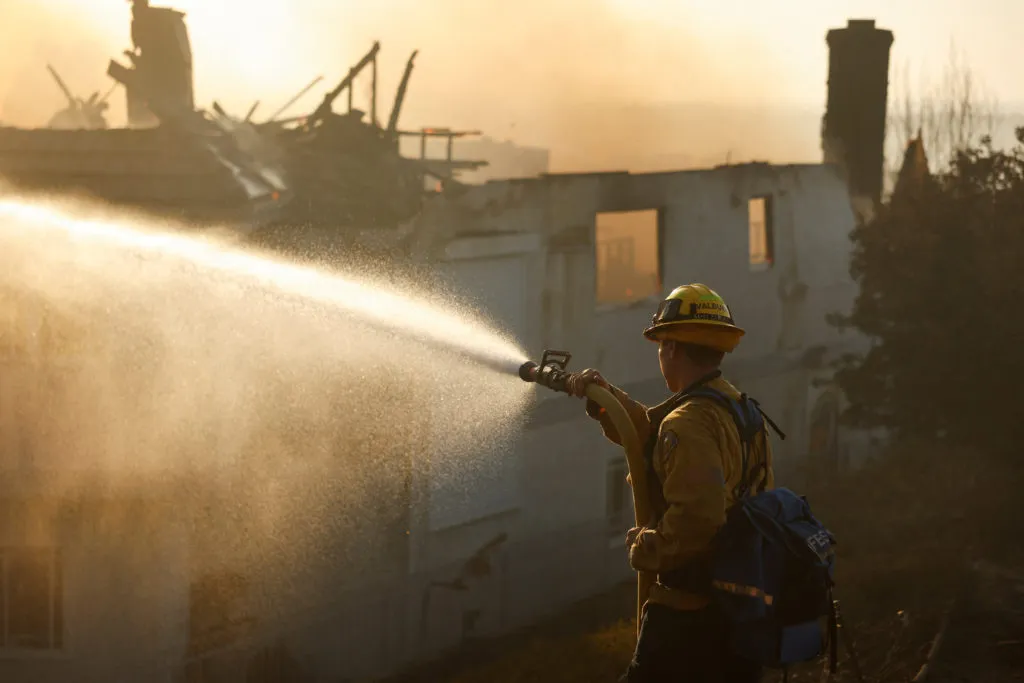
Wildfires leave charred trees and scorched vegetation that affect streams and rivers supplying drinking water across the US, with new studies showing effects can last more than a decade. PBS NewsHour reported that wildfires are growing bigger and more frequent amid climate change and strong El Niño events, with 68,179 blazes burning more than 14,062 square miles so far in 2026. In Las Vegas, New Mexico, residents went without water for months after the 2022 Hermit's Peak/Calf Canyon fire contaminated the Gallinas River, and the town has spent four years providing bottled water and tanker deliveries while raising funds for a new treatment plant. Mayor David Romero said, "It's a scary situation that we're all going to encounter." A University of Colorado Boulder study led by Carli Brucker found that forested watersheds supply water to nearly two-thirds of US municipalities and that wildfire impacts on water quality can last up to eight years. Brucker said fires cause spikes in heavy metals or dissolved organic matter that treatment plants are not built to handle, which can force facilities to shut off incoming water. Chlorine reacts with leftover organic matter to form disinfection byproducts, which the EPA regulates because they can cause illnesses, including cancer.