Updated
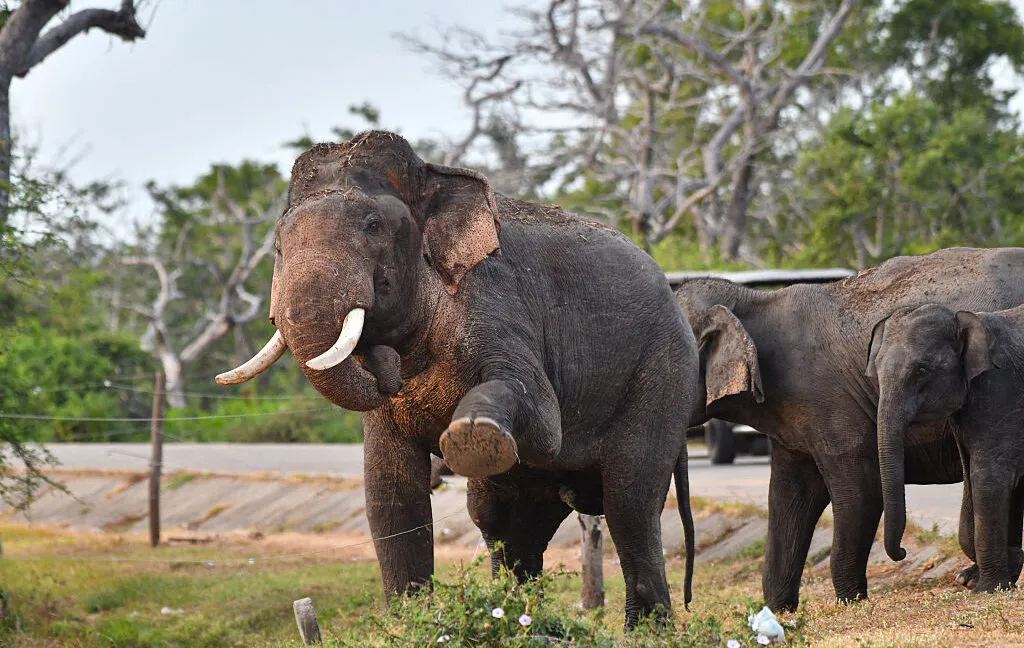
Ars Technica reported on a 12-year study of wild Asian elephants at Udawalawe National Park in southern Sri Lanka, led by Anastasia Madsen of the University of California, San Diego, which found that steady losses fractured the elephants' society rather than just shrinking it. The park was created in the 1970s around a reservoir, and after settlers left, cleared land became grassland. Invasive lantana later spread into dense thickets with little food, so fewer elephants came in and fewer calves reached adulthood. Between 2007 and 2018 the team identified 443 adult and subadult females, and by 2018 about 69 percent of those seen at the start were gone, though Asian elephants can live 60 years or more. After deaths and departures began outnumbering newcomers around 2012, communities became smaller, more numerous and more isolated. Among 59 resident elephants seen every year, relationships changed even though the animals remained, and the fracturing came one to three years after the decline began. The study's senior author, Shermin de Silva, linked this to the disappearing grass, saying social spheres shrink under greater competition. Madsen suggested that some lost elephants may have been key links holding subgroups together, and that early warning signs such as flickering network statistics might help parks spot trouble sooner.