Updated
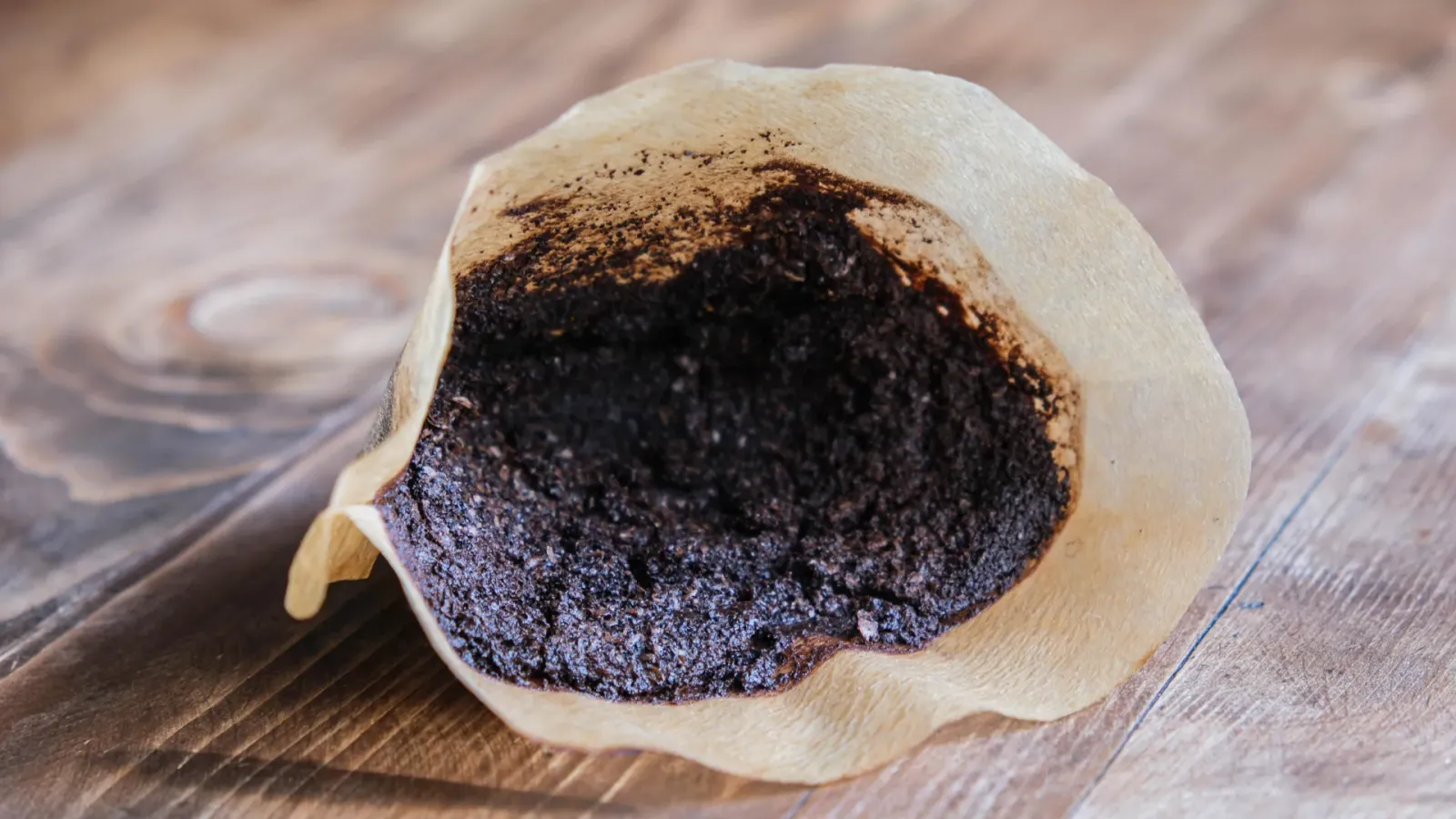
Researchers at Universitat Rovira i Virgili in Spain developed an efficient way to recover oil from used coffee grounds for biodiesel while keeping the leftover material usable for other fuels and chemicals. ScienceDaily reported that the study was published in Biomass and Bioenergy. The team, from the university's Department of Chemical Engineering, tested temperature, extraction time and solvent amount, and found the best results at 45 degrees Celsius for 60 minutes with 35 milliliters of n-hexane per gram of dry residue. This recovered about 90% of the oil a standard Soxhlet extraction yields, with cleaner oil containing 0.3% impurities against 3.9% for Soxhlet. The grounds contain roughly 15% lipids, and the researchers say the remaining material, rich in cellulose, hemicellulose and lignin, can still be processed into bioethanol, lactic acid and sustainable aviation fuel ingredients. Ultrasound and microwave methods were tested but judged less suitable for industrial use. The researchers say the approach could help reduce waste from the roughly 10 million metric tons of coffee beans produced each year and support a circular economy.