Updated
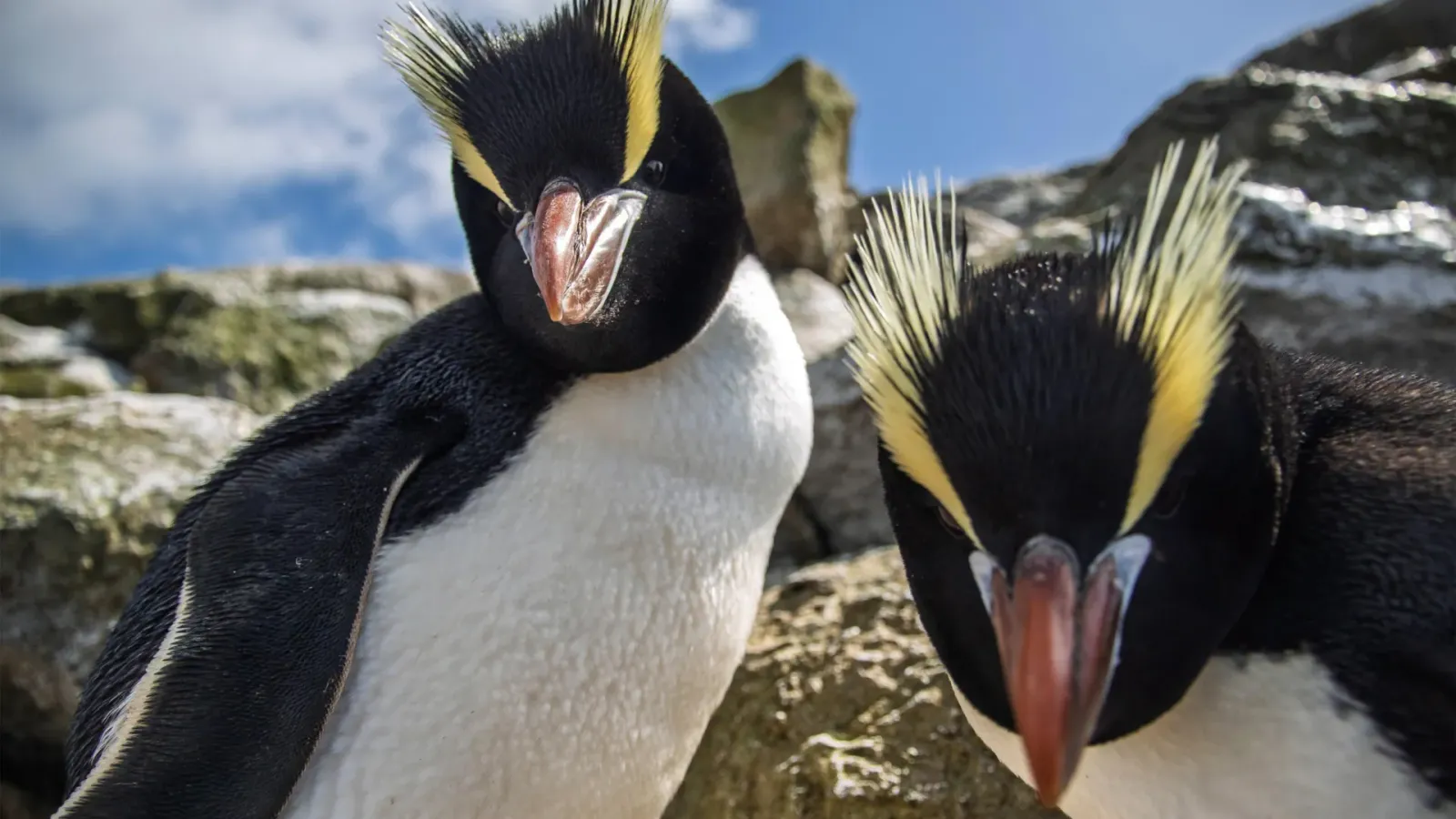
A University of Otago study found that endangered Erect-crested penguin populations on New Zealand's subantarctic islands have diverged, with the Antipodes population down more than 40 percent since 1995. The study, published in PLOS ONE and reported on 2026-11-15, was led by Dr Thomas Mattern of the Tawaki Project, with the Antarctic Research Trust and the Global Penguin Society. Drone surveys between 2022 and 2024 counted every breeding colony on the Bounty and Antipodes islands, the first comprehensive survey of the species. The tiny Bounty Islands, at 50 hectares, hold about 27,800 breeding pairs, nearly as many as the roughly 29,800 on the 40 times larger Antipodes Islands. The Bounty population has stayed essentially unchanged for at least 25 years. ScienceDaily reported that predators, worsening storms and changing ocean conditions appear to be factors. Skuas prey on eggs and chicks, and as Antipodes colonies shrank, their collective defence weakened. Dr Klemens Pütz of the Antarctic Research Trust suggested that skuas may have turned to Erect-crested eggs and chicks after Eastern Rockhopper penguins collapsed in the 20th century. Landslides from stronger storms break up colonies. Dr Mattern said Antipodes birds migrate far into the Antarctic Polar Frontal Zone after breeding, while Bounty birds stay closer to sheltered, food-rich waters. The Erect-crested penguin is one of four penguin species classed as Endangered on the IUCN Red List.