Updated
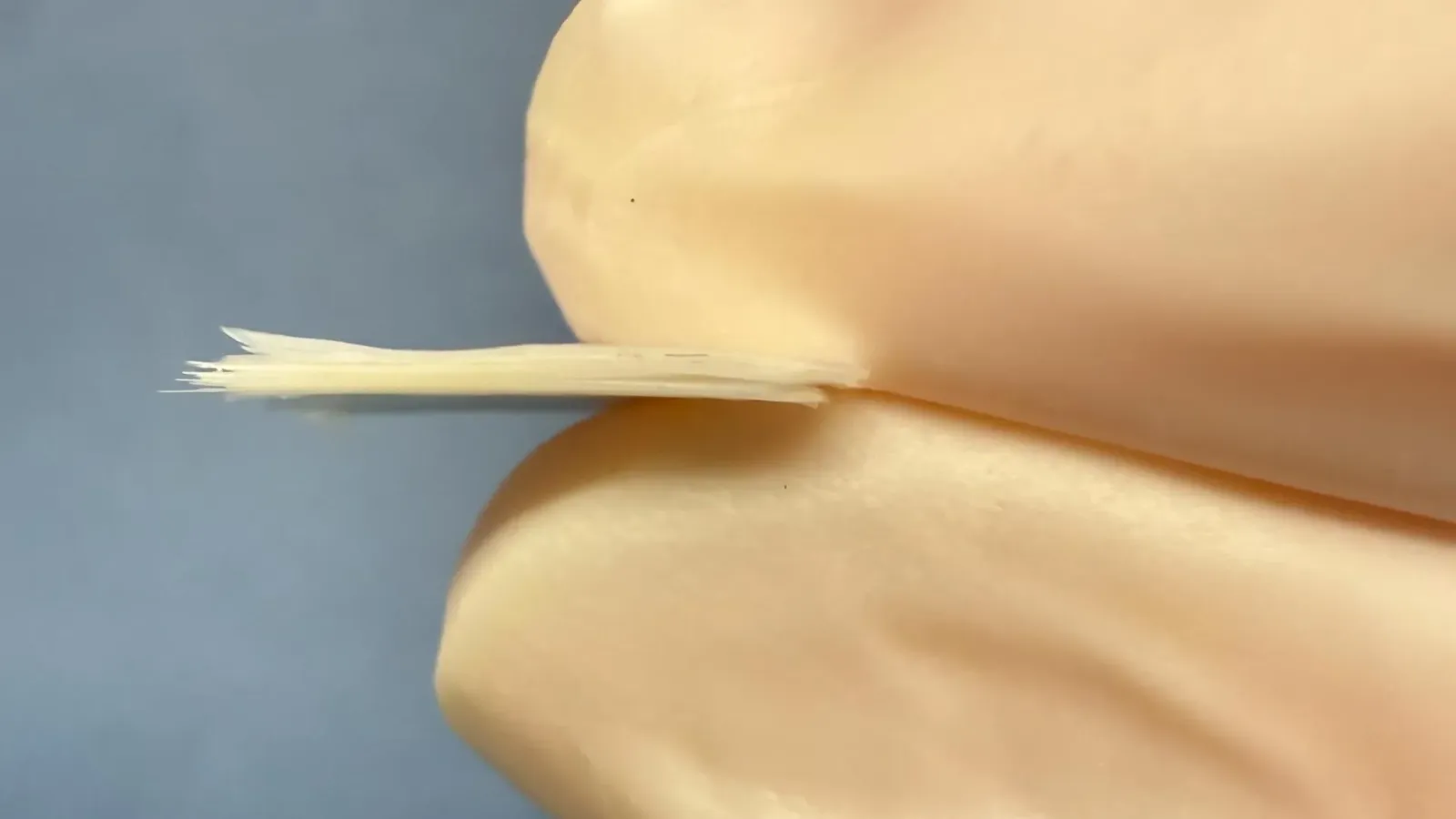
Researchers at the University of Pennsylvania have turned Mylar, the plastic used in emergency blankets, into layered lunar insulation that keeps its thermal performance under crushing pressure. Scientists have turned the thin plastic used in emergency blankets into strong insulation built from hundreds of stacked layers. The team, reporting in ACS Applied Materials & Interfaces, calls the material hybrid layered insulating film stacks (HyLIFS). Its thin Mylar sheets can bend, and some stacks were coated with aluminum oxide to make them stiffer. In a vacuum, the best stacks matched other advanced vacuum insulation materials for thermal conductivity. ScienceDaily reported that samples compressed to about 20 megapascals, a pressure it likened to 200 pounds of force on a fingertip-sized area, kept their insulating performance. The material keeps its thermal protection under crushing pressure. The researchers say it could help astronauts survive the Moon's extreme temperatures in longer-lasting habitats. Senior author Igor Bargatin said that the ideal lunar material is "both resistant to damage and to the loss of heat." If the material can be made on a large scale, it could protect lunar habitats, spacesuits and equipment, and first author Danielle R. Levin said it could offer "inexpensive, durable and reusable lunar insulation."