Updated
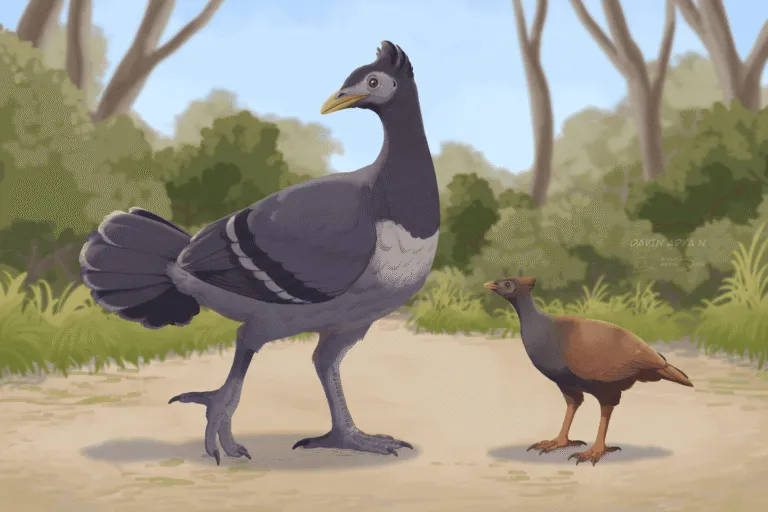
Archaeologists excavating Liang Bua cave on Indonesia's Flores island have identified a new species of extinct giant megapode bird that lived about 150,000 years ago. Megapodes are large, chicken-like birds that live in the Australasian region today. Mongabay reported that the species, named Megapodius rokusi, was identified from a single fossilized right foot bone found in cave sediment layers dated to between 190,000 and 120,000 years ago. Researchers estimate it weighed about 3.9 kilograms, making it the largest Megapodius species described so far, and it is the first fossil megapode from Indonesia. The lead author, Hanneke Meijer of the University Museum of Bergen, said the find shows Wallacea once held many extinct birds. The species honours the late zooarchaeologist Rokus Due Awe, who helped analyse the Liang Bua animal fossils. Meijer said open questions remain, including whether the bird could fly, when it went extinct, and whether it overlapped with the living orange-footed scrubfowl on Flores.