Image: BBC News
Updated
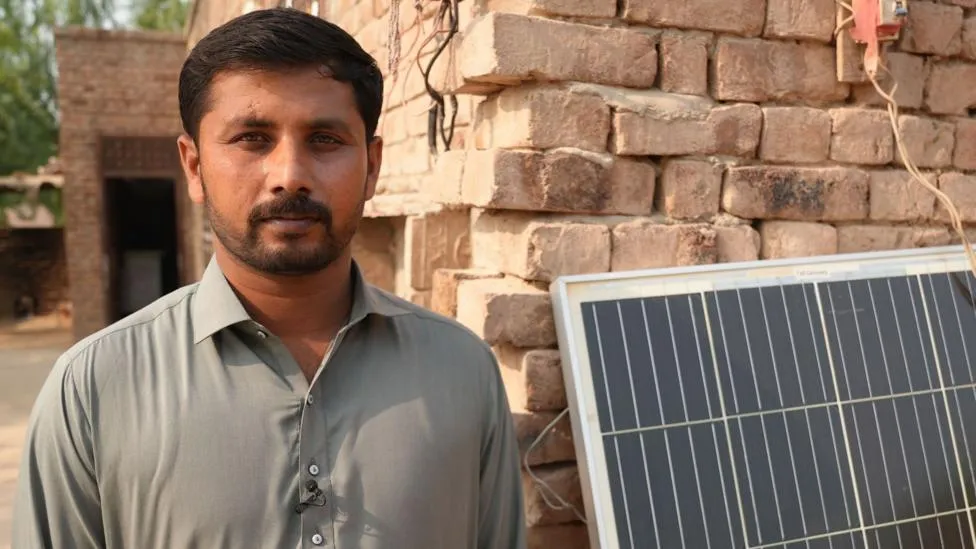
Pakistan's rooftop solar boom has raised the solar share of its electricity from 1% in 2018 to 28% in 2025, with some seven million households now owning panels, BBC Asia reported. Households mostly installed panels to escape soaring power prices from an often unreliable national grid, and the boom was driven by individuals rather than government policy. Electricity tariffs have more than doubled in a few years, and Renewables First, a Pakistan-based think tank, says Chinese panel costs have fallen by 93%. BBC Asia reported that the rapid growth has created a utility death spiral risk, because fewer grid customers leave the fixed costs of the grid to be covered by those who remain, pushing prices up and encouraging more people to switch to solar. Energy Minister Awais Ahmad Leghari said the exodus from the grid has cost other consumers more than $500 million a year, while Renewables First's Muhammad Hassan Dajana warned of a costly white elephant state enterprise. Leghari says the government has renegotiated most private power contracts and wants up to 90% clean power by the end of 2036, while critics say a change in the household net-metering policy earlier this year has hurt small and medium businesses.