Image: Mongabay
Updated
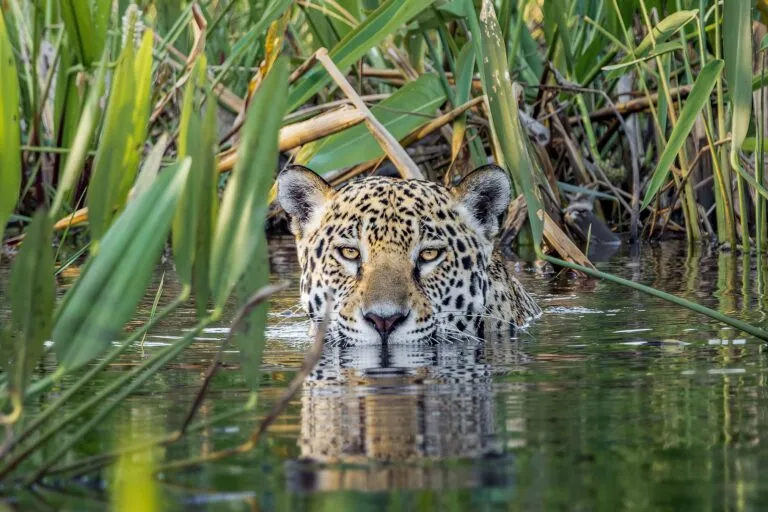
A study in the journal Global Change Biology mapped jaguar populations and connectivity across the Americas to identify where the big cats can recover. Mongabay reported that the study identified 307 core areas covering more than 7.75 million square kilometers, with the largest spanning four South American biomes, and 176 corridors linking them. The lead author, Guilherme Costa Alvarenga of the University of Oxford and the Mamirauá Institute, said agriculture and livestock farming, especially soybean plantations and cattle pastures, cut populations off from each other, leaving isolated jaguars at risk of inbreeding and local extinction. The jaguar has lost about half its historical range, is extinct in El Salvador, and is no longer evidenced in Uruguay, while the Maya Forest holds a large, stable population. The study used movement data from 172 GPS-collared jaguars in eight countries and found connectivity gaps in northern populations in Mexico and Central America. Researchers said jaguars avoid areas with high human population density and intensive cattle farming, and seek areas with higher vegetation productivity. Samuel Cushman, a co-author, said that without corridors between populations, isolated populations will slowly disappear. Mongabay also reported on Tape'ỹ, a jaguar that wandered Foz do Iguaçu in June 2026 and was released into Iguaçu National Park, which is part of the Green Corridor home to about one-third of the fewer than 300 jaguars left in the Atlantic Forest.