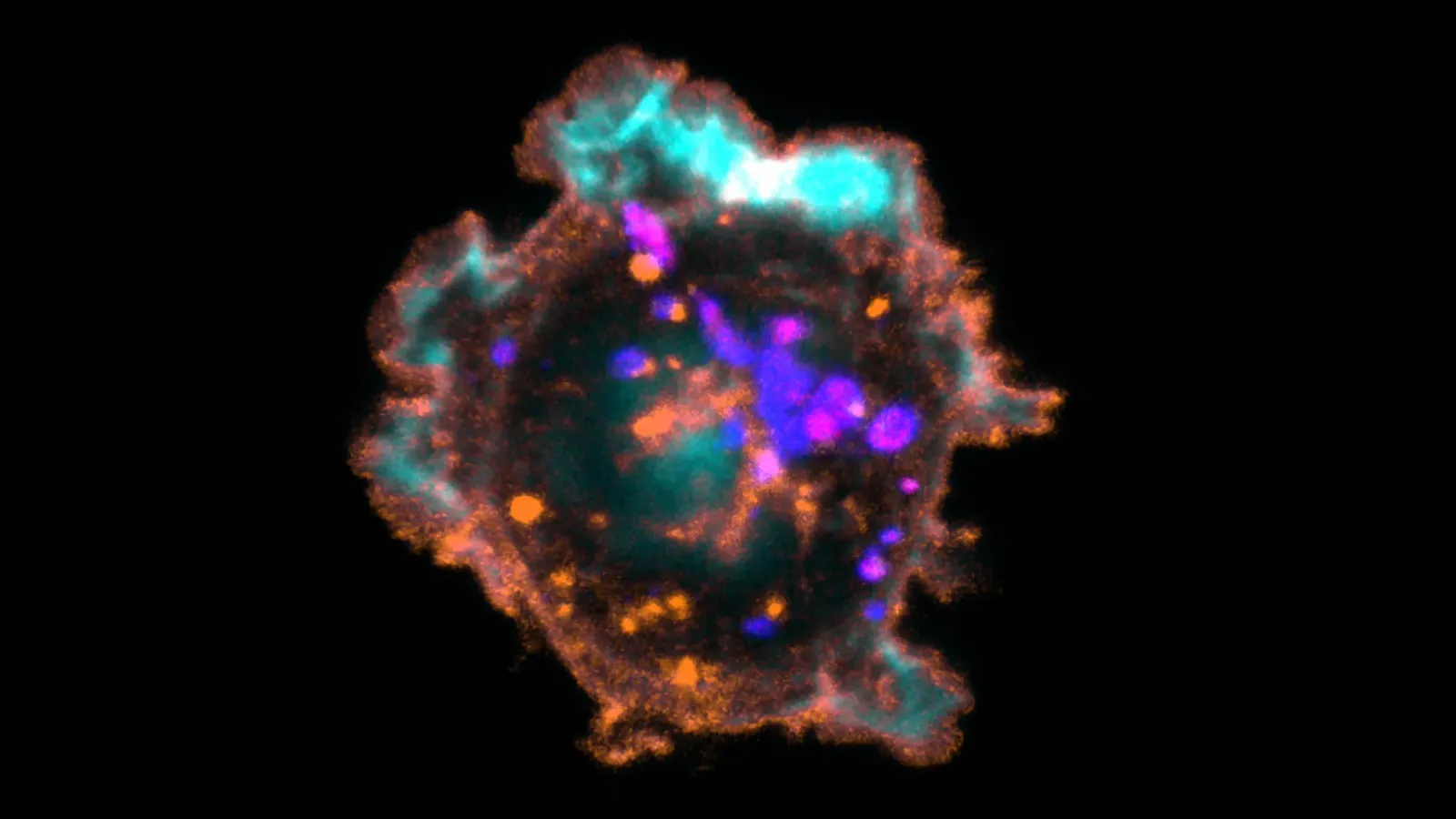
Image: ScienceDaily
Updated
Scientists at the Garvan Institute of Medical Research have found that malfunctioning natural killer cells drive mevalonate kinase deficiency (MKD), a rare, potentially life-threatening inflammatory disorder. The finding overturns three decades of scientific understanding of the condition, according to ScienceDaily. Research for roughly three decades had centred on macrophages, but a study in the journal Immunity found that natural killer cells fail to mature properly and struggle to destroy infected cells. Instead, they release large amounts of interferon gamma, a powerful inflammatory signal that activates other immune cells and can cause fever and widespread inflammation. MKD is known to affect hundreds of people worldwide, though many more are thought to be undiagnosed, and about half of patients do not respond adequately to current treatments. Professor Mike Rogers, a Garvan lab head and senior author, said the study revealed a new target for the disorder. The breakthrough points to a possible new treatment using existing medications called JAK inhibitors. Working with doctors at the Royal Children's Hospital in Melbourne, the researchers added baricitinib, a JAK inhibitor already used for rheumatoid arthritis and eczema, to the existing regimen of one severely affected infant. The child showed substantial improvement, with fewer inflammatory flare-ups and healing of severe gut inflammation, ScienceDaily reported. The outlet noted that a single patient cannot show whether the treatment will work more broadly, and the researchers see the findings as a foundation for future clinical studies of JAK inhibitors and other drugs that block interferon gamma.