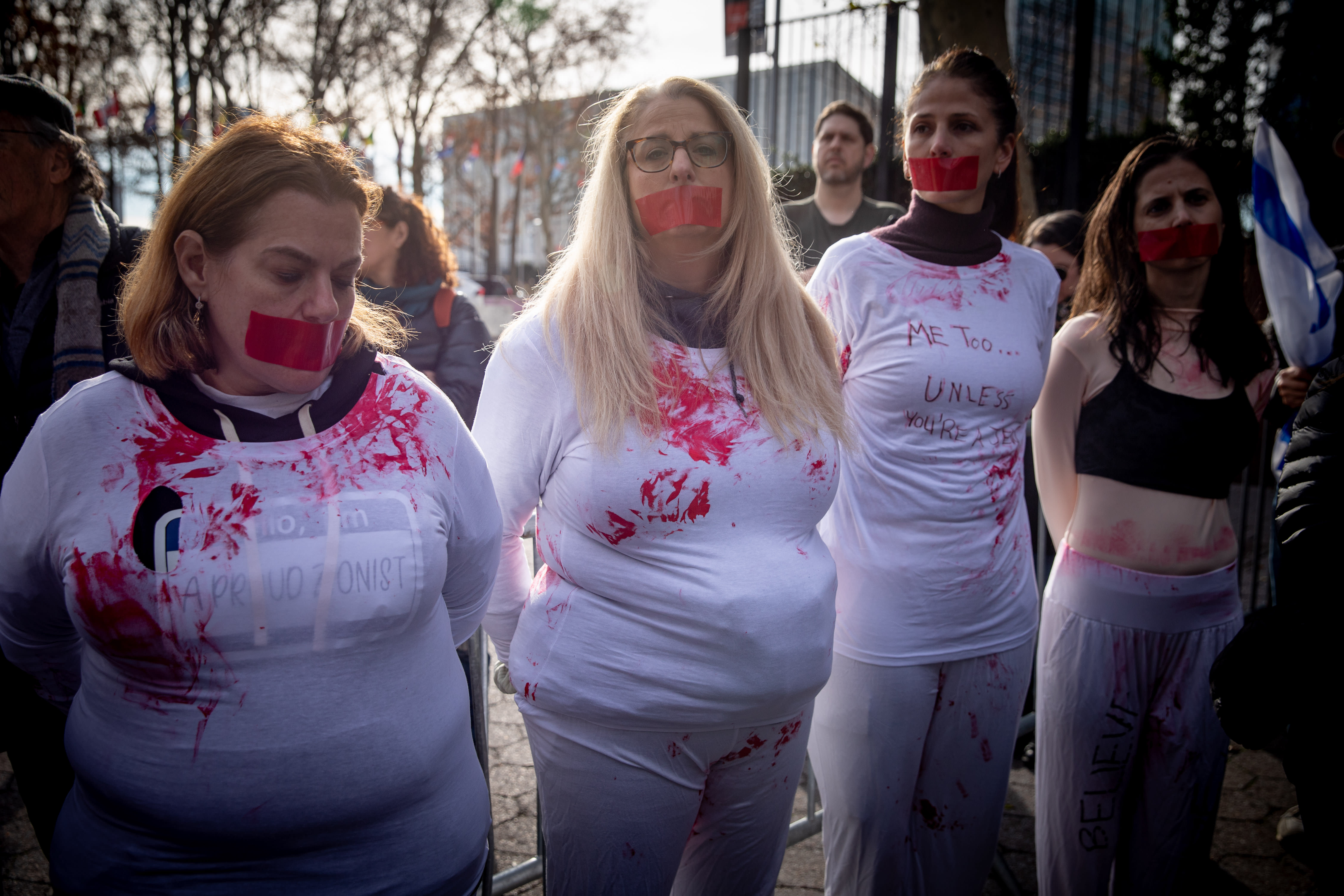
Image: The Jerusalem Post
Updated
The Jerusalem Post profiles Prof. Yifat Bitton, whose work on sexual violence showed how the October 7 attack exposed an evidentiary collapse in investigations. The feature examines how the attack forced a rethink of how such investigations are conducted. Bitton, president of Achva Academic College and head of the RAIA Project, which documents sexual violence committed by terrorists, said she had never seen anything like October 7. Her 2024 report was presented to senior UN officials and inspired the Foreign Ministry to develop a toolkit with the UN Office on Drugs and Crime. Due for release in the coming months, the toolkit will guide first responders in preserving evidence at attack sites for future prosecutions. The article says dedicated forensic teams did not reach the Gaza border communities in the immediate aftermath, and that by the time major crimes units arrived around six weeks to two months later, most biological samples had degraded. Bitton said authorities were overwhelmed, so activists began investigating sexual violence cases themselves. She also described a forensic investigator who saw signs of assault on a woman's body but collected no sample, because only six specialists in Israel could do so. Bitton told UN officials in December 2023 that victims had been silenced twice, first by Hamas and then by the silence of UN bodies. The article also covers misunderstandings by UN Special Representative Pramila Patten's team during its visit to Israel from January 29 to February 14, 2024.