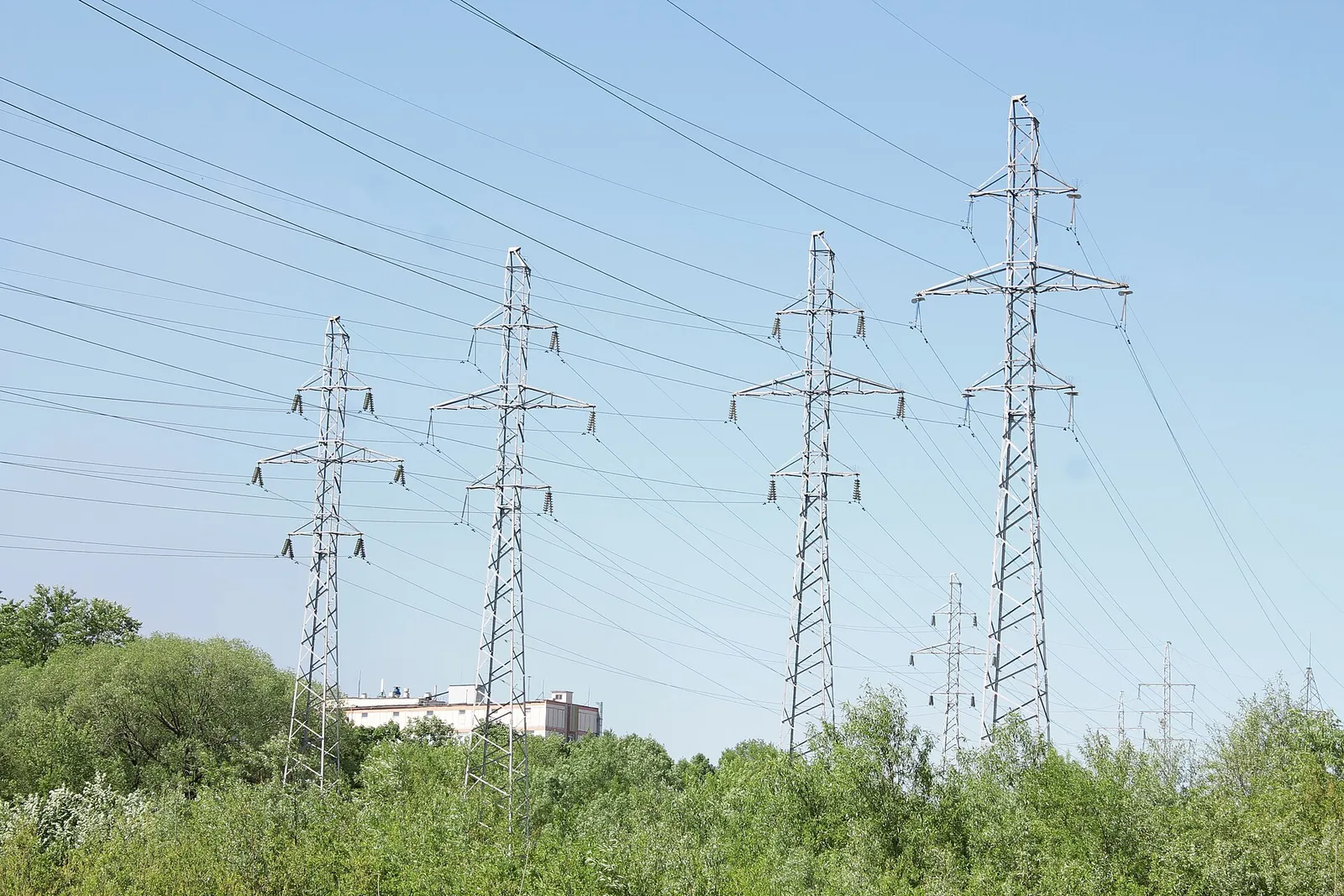
Foto3821 · CC0 · Wikimedia Commons
Updated
Energy researchers warn in a Science Policy Forum paper that the United States is building new high-voltage transmission lines at about one-tenth the pace needed. Experts warn the United States is building only about 10% of the new high-voltage transmission lines it needs. Researchers from Carnegie Mellon University and the University of California San Diego say the country added about 500 miles of such lines a year over the past five years, while research suggests about 5,000 miles a year are needed to triple the interregional network by 2050. Electricity demand is rising from data centers, electric vehicles and heavy industry. The researchers argue that political obstacles and outdated regulations, not technology, are the main problem, and that the shortfall raises risks of higher electricity prices and blackouts. The researchers, Madeline Yozwiak, David G. Victor and M. Granger Morgan, say approval is split among federal agencies, states, localities and private companies, and that utilities may resist stronger links between regions. Their three-part strategy urges the Federal Energy Regulatory Commission and the Department of Energy to use existing powers, adopt technologies such as reconductoring and underground HVDC cables along highways and railroads, learn from other countries through a possible international forum, and create a Presidential-Congressional Transmission Commission to break the political deadlock.