Image: Good News Network
Updated
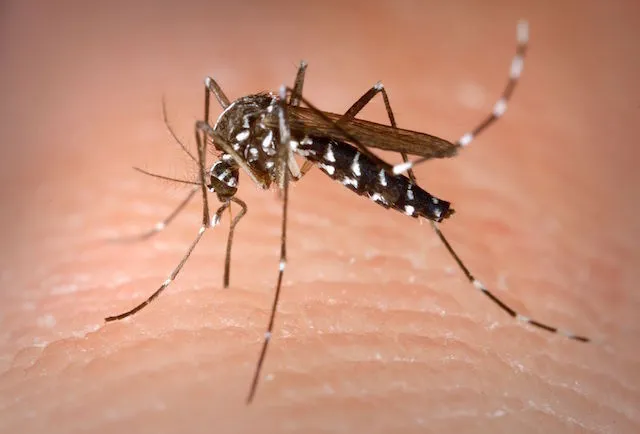
A four-year trial in Belo Horizonte, Brazil, released Wolbachia-infected mosquitoes and cut schoolchildren's risk of such viral infections by 68%, Good News Network reported. The bacteria inhibit the insects' ability to spread dengue, Zika and chikungunya, and the trial tested this largely proven method at population scale. The randomised trial ran from January 2021 to May 2022 in 58 school-defined clusters, with 29 receiving wMel mosquitoes alongside standard controls such as insecticidal sprays and source reduction, and 29 receiving standard control alone. It enrolled 5,757 children aged 6 to 11. Reductions were 68.5% for dengue and 73.3% for chikungunya, while Zika cases were too few to assess. The results overlapped Brazil's largest recorded dengue outbreak and were presented at the American Society of Tropical Medicine & Hygiene meeting in National Harbor, Maryland. Researchers from Johns Hopkins University, UFMG, Fiocruz and other institutions took part.