Wladyslaw · CC BY-SA 3.0 · Wikimedia Commons
Updated
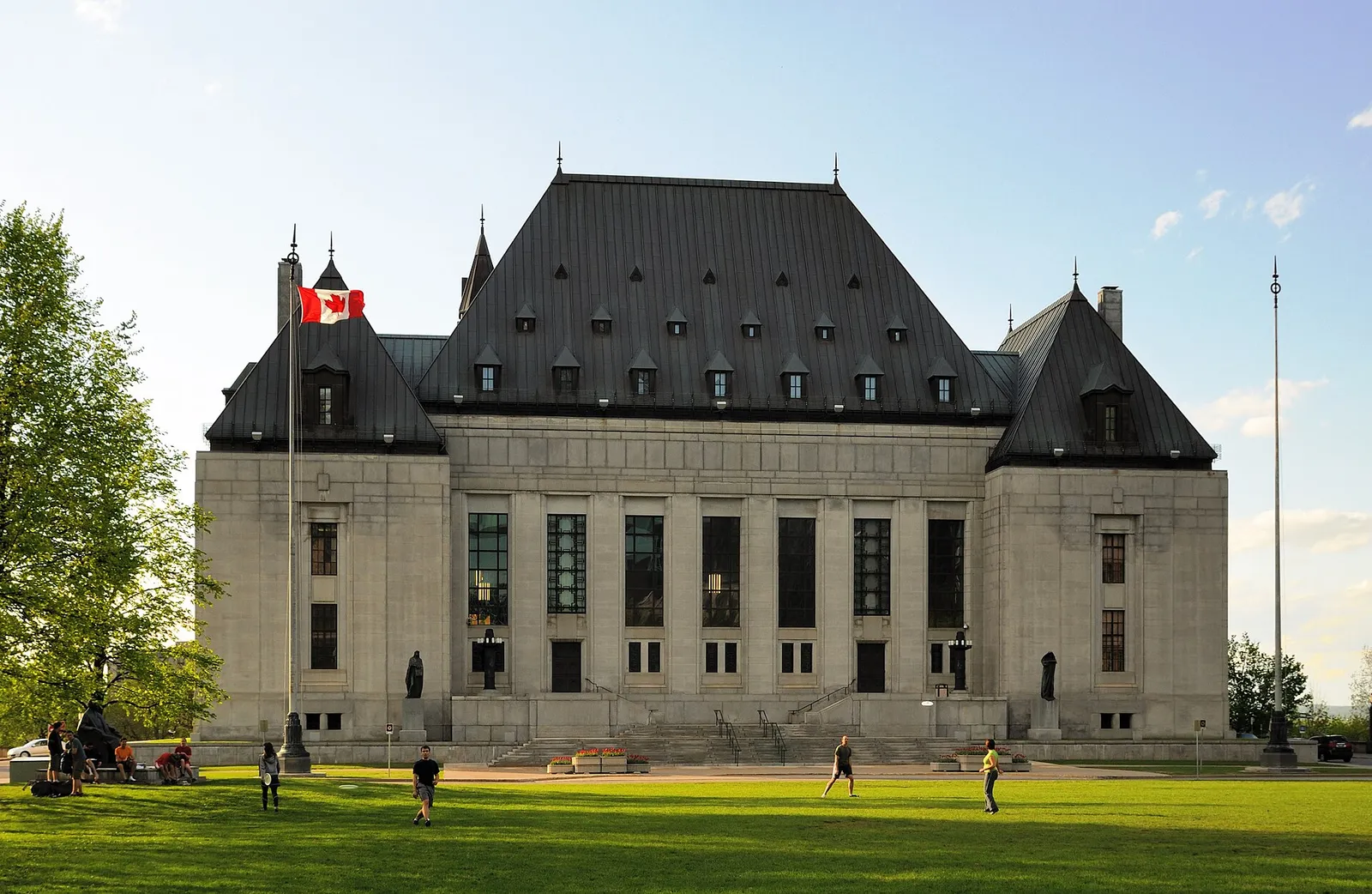
Canada's Supreme Court on Friday largely upheld Quebec's law banning religious symbols for public servants, striking down only one provision, according to BBC World. Challengers included female Muslim, Sikh and Catholic teachers, who argued the law violated their fundamental rights. The law, known as Bill 21, bars public sector workers from wearing religious symbols, including the hijab and the cross. Quebec passed it in 2019 using the "notwithstanding clause" of Canada's constitution, which allows governments to override certain rights such as freedom of religion. The court found that using the clause was valid. It ruled against a section barring elected officials in Quebec's legislature from wearing face coverings, finding that it infringed the Charter's democratic rights, including the right to run for public office. The majority also held that courts can still rule on whether a law is consistent with Charter rights when the clause is invoked, but chose not to do so in this case. BBC World described the decision as one of the most closely watched in Canadian history, with an impact felt in Quebec and across the country.